
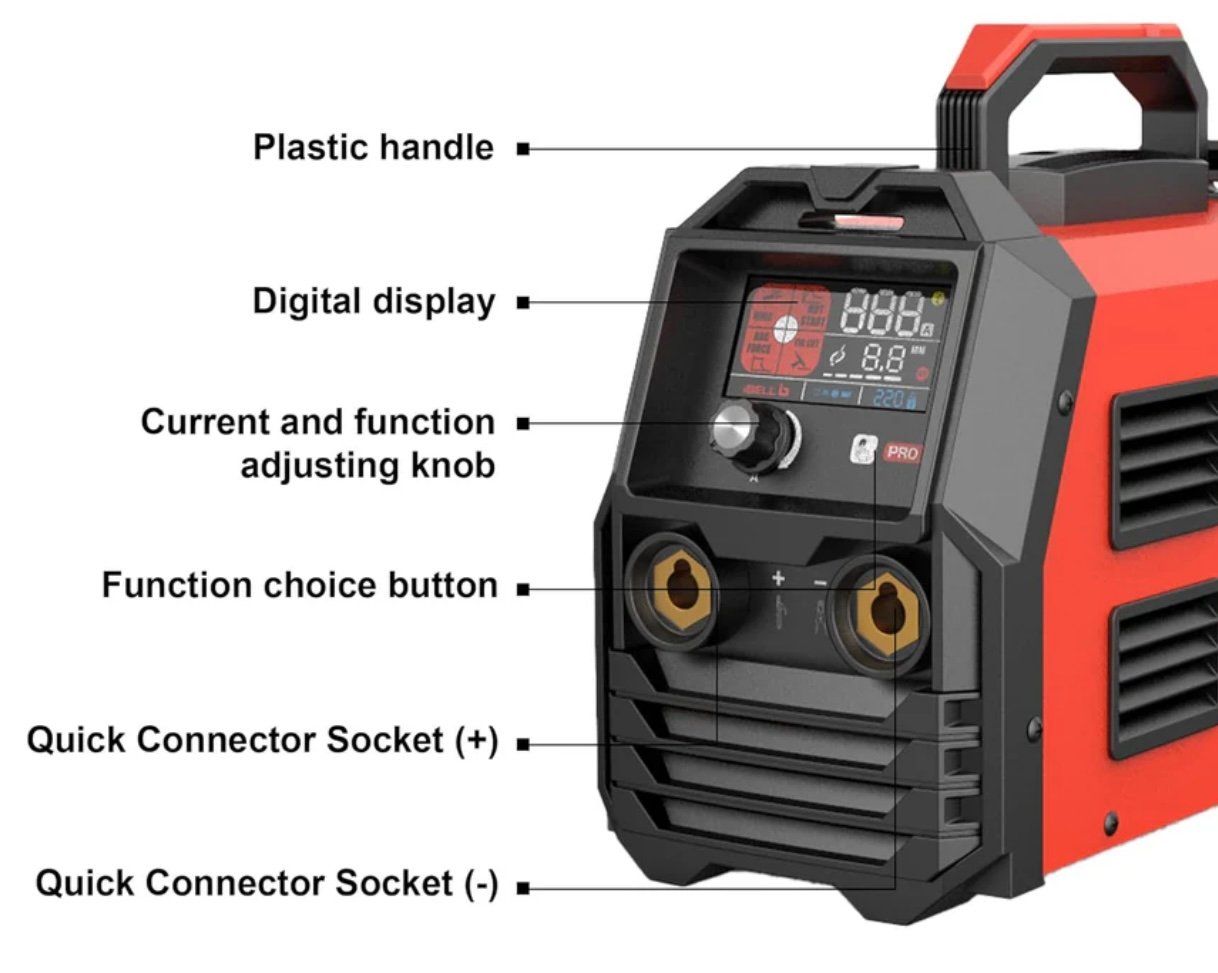
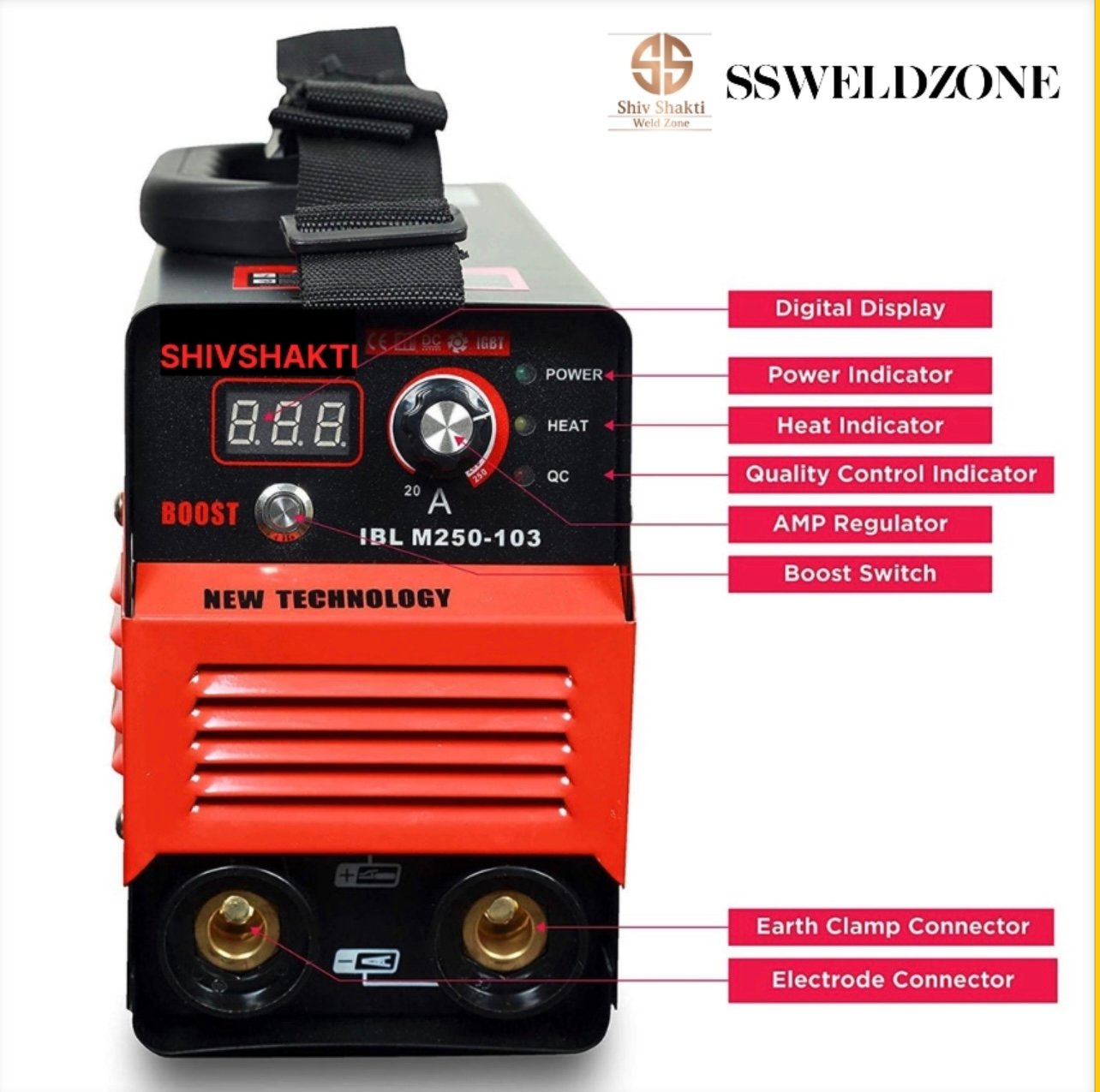
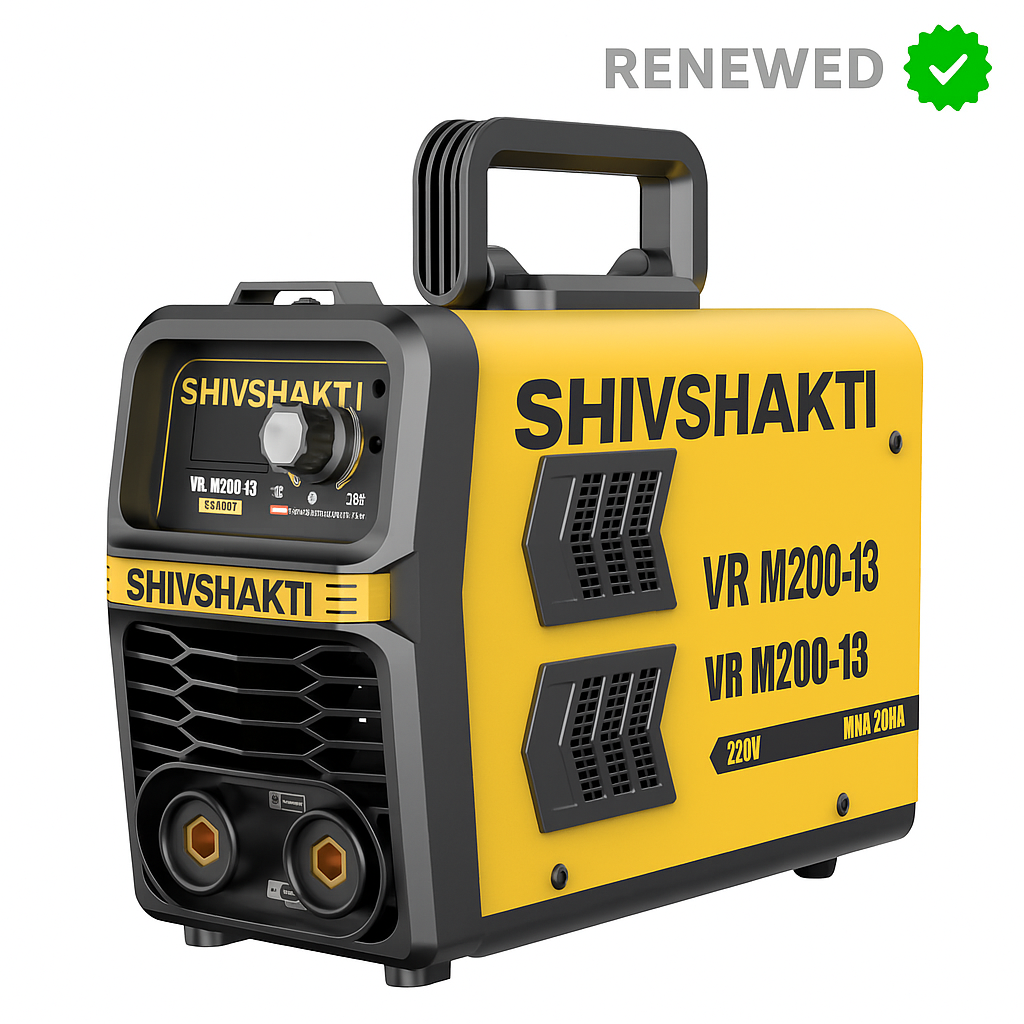
0-105DIG, 200A, MMA/TIG Lift Inverter Digital Welding Machine
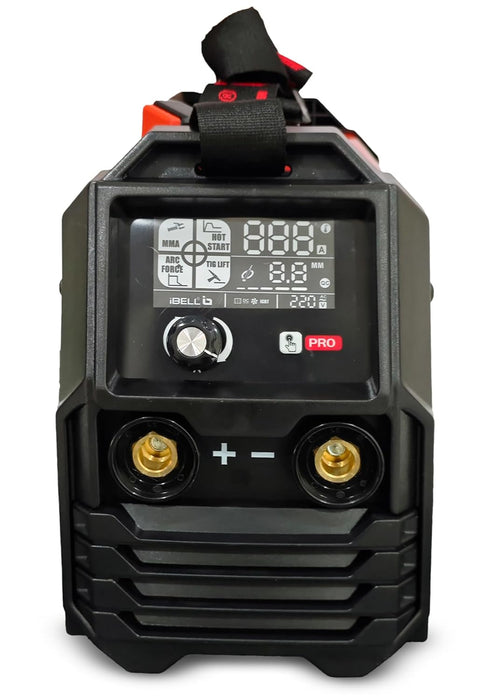
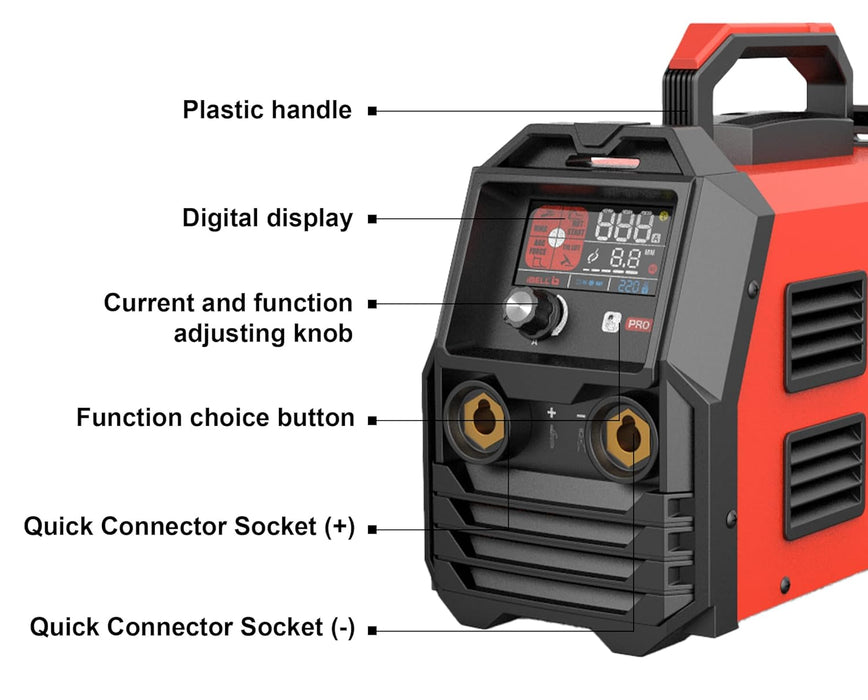
Shivshakti M250-105DIG, 200A, MMA/TIG Lift Inverter Digital Welding Machine
Save 40%
Original priceRs16,000.00
Current priceRs9,569.00
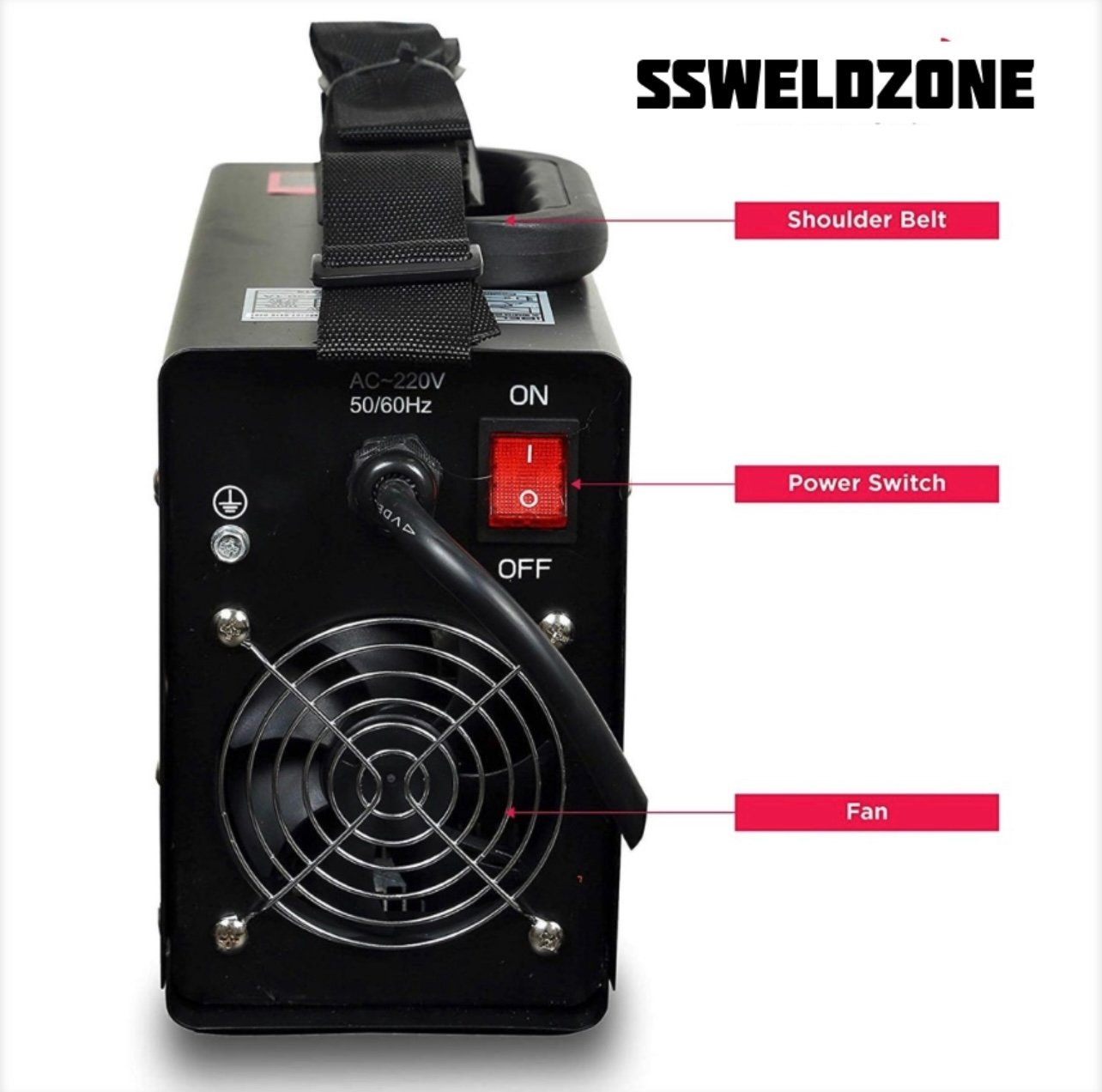
- Input power(V): 220V
- Supply frequency(Hz): 50/60Hz
- Input Capacity (KVA) :9.6 KVA
- Input current(A): 43.6A
- No load voltage(V) :45V
- Output Current(MMA/TIG LIFT) (A): 30-200A
- Maximum Current (A): 200A
- Efficiency(%) :85%
- Usable electrodes(mm): 1.6-5mm
- Usable tungsten needles(mm): 0.5-2.4mm
- Tig Left torch is not supplied with this product
- Achieving TIG precision: The Shivshakti TIG Lift Welding Machine
- Tungsten Inert Gas (TIG) welding holds a special place in the metalworking world for its ability to produce incredibly clean, precise, and aesthetically pleasing welds. When the job demands the finest control, minimal spatter, and a beautiful finish, TIG is often the process of choice. And for welders who value equipment that’s both reliable and accessible, Shivshakti TIG welding machines, particularly those featuring Lift Arc technology, offer a compelling package.
- Beyond the spark: Understanding arc ignition in TIG
- Before diving into Shivshakti’s specific offerings, it’s essential to grasp how a TIG arc is initiated, especially in the context of Lift Arc technology. There are three primary methods for starting a TIG arc:
- Scratch Start: This is the most basic method, involving literally scratching the tungsten electrode across the workpiece to create a short circuit and ignite the arc. While simple, it carries a higher risk of tungsten contamination in the weld pool and electrode damage. It’s often found on older or very basic machines.
- High Frequency (HF) Start: This is the most advanced and widely used method in industrial TIG welders. It uses a high-voltage, low-current spark to ionize the air and bridge the gap between the tungsten electrode and the workpiece without physical contact. HF start offers a clean, reliable, and “touchless” arc initiation, ideal for critical applications and reactive metals like aluminum where contamination is a major concern. However, HF can interfere with nearby sensitive electronics.
- Lift Arc Start: Lift Arc technology provides a middle ground, offering a cleaner start than scratch start without the potential electronic interference of HF start. With Lift Arc, the welder touches the tungsten electrode to the workpiece, depresses a switch (on the torch or a foot pedal), and then “lifts” the torch off the workpiece. This initial contact is made at a very low amperage, preventing the tungsten from sticking or contaminating the weld. Once lifted, the machine senses the broken contact and increases the current to the pre-set welding amperage, initiating the main arc. This makes Lift Arc a user-friendly and reliable option, often found on multi-process machines or in situations where HF interference is a concern.
- Shivshakti and the power of Lift Arc
- Shivshakti TIG welding machines are known for incorporating features like Lift Arc technology, alongside HF start in some models, giving welders flexibility and control. For instance, the Shiv Shakti TIG 200 model lists both DC HF TIG and LIFT / MMA welding modes, according to IndiaMART. This versatility means you can choose the most appropriate arc starting method for your specific application and environment.
- Key features of Shivshakti TIG Lift Welding Machines
- When exploring Shivshakti’s offerings, you’ll find features that cater to both performance and user experience:
- Inverter Technology (MOSFET/IGBT): Like their TIG machines in general, Shivshakti TIG Lift models utilize advanced inverter technology, often based on MOSFET or IGBT components. This makes them compact, lightweight, energy-efficient, and capable of producing a stable arc.
- Dual Welding Modes (TIG/MMA): The ability to switch between TIG welding and Manual Metal Arc (MMA, or Stick) welding adds to the machine’s versatility, allowing you to tackle a wider range of projects with a single machine.
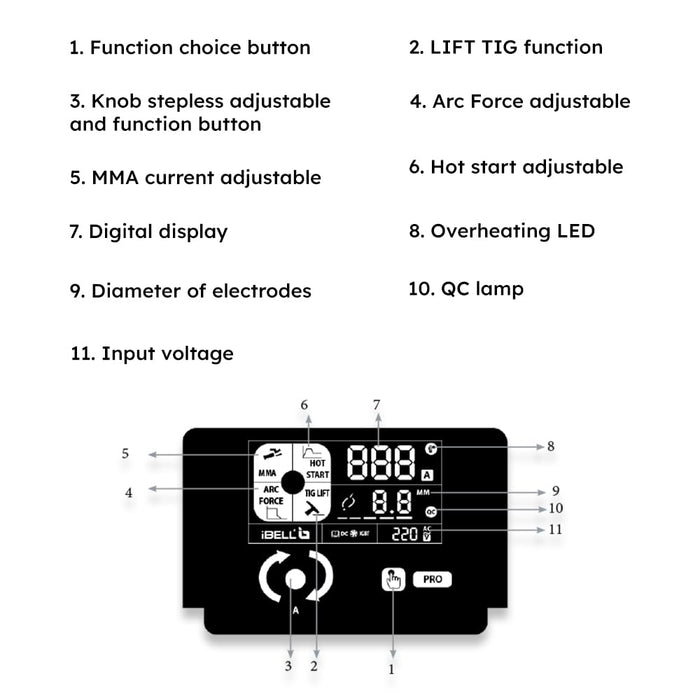
- User-Friendly Control Panel: Shivshakti machines are designed with ease of use in mind, featuring clear control panels, sometimes with digital displays, to easily set welding parameters like current.
- Adjustable Parameters: These machines often include features like adjustable gas pre-flow and post-flow to ensure proper shielding of the weld and electrode. Adjustable hot start and arc force for MMA welding further enhance their flexibility.
- Pulse Welding Capability: Some models might include pulse welding, which offers greater control over the heat input, especially beneficial for welding thin materials or achieving specific weld bead aesthetics.
- Safety Features: Shivshakti machines are typically equipped with essential safety features such as voltage protection and thermal protection against overheating, complying with safety standards like IP21S protection class.
- Foot Control Compatibility: For enhanced control over the welding process, especially when using Lift Arc, Shivshakti TIG machines can often be connected to a foot pedal, allowing for on-the-fly amperage adjustments.
- The advantages of
- Lift Arc
- Choosing a Shivshakti TIG machine with Lift Arc offers several advantages:
- Cleaner Starts: The low starting amperage minimizes tungsten contamination compared to scratch start.
- Reduced Tungsten Damage: Less sticking means less need to re-grind or replace your tungsten electrode, saving time and money.
- No Electronic Interference: Unlike HF start, Lift Arc doesn’t generate high-frequency noise, making it suitable for environments with sensitive electronic equipment nearby.
- User-Friendly: The controlled contact and lift motion is generally easier to master than scratch start.
- Best practices for using Lift Arc
- To get the most out of your
- Prepare your material thoroughly: TIG welding demands pristine surfaces, free from dirt, oil, and rust.
- Select the correct tungsten electrode: Choose the right type and size of tungsten for the metal you are welding.
- Set appropriate gas flow: Ensure adequate shielding gas coverage, using a gas lens if necessary.
- Practice the Lift Arc technique: Develop a smooth motion for touching and lifting the tungsten to consistently create the arc without sticking.
- Maintain proper arc length: Keep a short, consistent distance between the tungsten and the workpiece.
- Control heat input: Adjust amperage and travel speed to prevent burn-through or excessive distortion, especially on thin materials.
- Use foot control (if available): This allows for precise amperage adjustment during the weld, enhancing control.
- In conclusion
- Shivshakti TIG Lift welding machines represent a solid choice for welders seeking a balance of quality, performance, and user-friendliness. By integrating Lift Arc technology, these machines provide a reliable and efficient way to initiate the TIG arc, reducing contamination and enhancing control. Coupled with Shivshakti’s reputation for durable equipment and competitive pricing, their TIG Lift welders offer a valuable solution for achieving high-quality welds across a range of materials and applications.

Leave a Reply